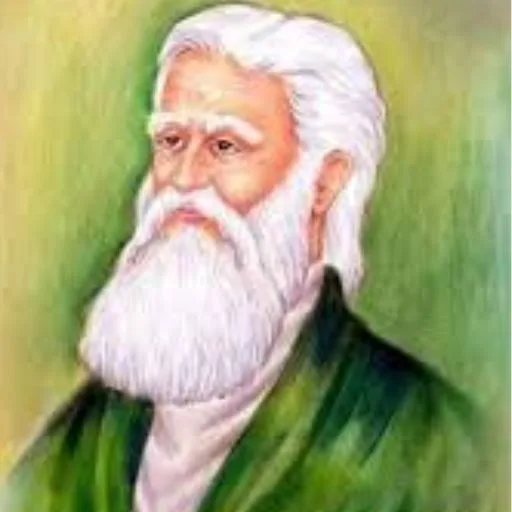
رحمان بابا

رحمان بابا

1633 — 1705 افغانستان ۴ اثره ۱۵٬۷۰۶
پېژندنه
د رحمان بابا په اړه معلومات ژوند لیک، شاعري او دیوان
د Rahman Baba د پېژندنې لپاره همدومره بس ده چې ټول پښتانه ورته "بابا" وایي. په پښتو کلتور کې د "بابا" لقب یا هغو پاچاهانو ته ورکول کېږي چې د زور له لارې یې واکمني کړې وي، او یا هغو دروېشانو ته چې د مینې، اخلاقو او کلام په ځواک یې د خلکو زړونه ګټلي وي.

لکه څنګه چې رحمان بابا وایي:

د پالنګ او د پیرۍ حاجت یې نشته
د یارانو نشستن د زړه په تخت دي

همدا وجه ده چې Ahmad Shah Durrani ته د فتوحاتو له امله "بابا" ویل کېږي، خو رحمان بابا د خپل فقر، عاجزۍ او کلام له امله د خلکو د زړونو پاچا شو:

پاچاهان که د ډهلي په تخت نازيږي
خوار فقیر لره د خاورو کنډولۍ دي

د زېږېدو نېټه او کورنی شالید (Birth & Family Background)
Rahman Baba په ۱۰۴۲ هجري (1632–1633 میلادي) کې د Peshawar په بهادر کلي کې زېږېدلی دی. د هغه د پلار نوم عبدالستار و او د مومندو له قبیلې سره یې تړاو درلود.

خو د رحمان بابا مقام له قبیلې لوړ و، ځکه هغه ځان یوازې د مینې انسان باله:

زه عاشق یم سر و کار مې دی له عشقه
نه خلیل، نه داودزی یم، نه مومند

زده کړې او روحاني سفر (Education & Spiritual Journey)
رحمان بابا د علم او معرفت مینه‌وال و. هغه فقه او تصوف له Mulla Muhammad Yusuf څخه زده کړل او نور علوم یې په India کې ترلاسه کړل.

هغه یو لوی عالم او صوفي شو، خو د ریاکارې زاهدۍ سخت مخالف و. هغه وایي:

د ریا له زاهدۍ زما توبه ده
چې یې کاندي څوک په رسم او په عادات

او د منافق زاهدانو په اړه وایي:

په ورځ وعظ او نصیحت بل ته وایي
په شپه ناست وي د مغان په خرابات

ساده ژوند او شخصیت (Simple Life & Character)
رحمان بابا که څه هم غریب و، خو خپل عزت یې هېڅکله له لاسه ورنه کړ. هغه نه د چا منت بار شو او نه یې دنیا ته سر ټیټ کړ:

زه درم او دینار نه لرم په کور کښې
ولې نور عالم مې بولي دنیا دار

لکه ونه مستقیم په خپل مکان یم
که خزان را باندې راشي که بهار

د رحمان بابا لوړ اخلاق (Moral Philosophy)
د رحمان بابا شخصیت د اخلاقو، نرمۍ او قناعت یو مثال و:

په ښه خوی له بدخواهانوبې پروا یم
په نرمۍ لکه اوبه د اور سزا یم

قناعت مې تر خرقې لاندې اطلس دی
پټ د درست جهان پادشاه ظاهر ګدا یم

د رحمان بابا شاعري (Rahman Baba Poetry)
د Rahman Baba شاعري د هر انسان لپاره ده — صوفي، عالم، مست، فقیر او عام انسان ټول ترې خوند اخلي.

هغه پخپله د خپل شعر په اړه وایي:

که منکر پرې اعتراض کولی نشي
دا دې شعر دی رحمانه که اعجاز

د هغه شعر ځانګړتیا دا ده چې:

صوفیان پرې وجد کوي

واعظان یې په منبر لولي

مستان پرې مستي کوي

عام خلک ترې الهام اخلي

د رحمان بابا د شعر اغېز (Impact of His Poetry)
د رحمان بابا کلام د ټولنې هر قشر ته رسیږي:

👉 صوفیان وایي:
خرقه پوشه په خرقه کښې دي موندلي

👉 مستان وایي:
د څنګ مې دلبر په لاس کښې جام دی

👉 واعظان وایي:
په دنیا کښې که څه کار دی خو د دین دی

👉 د دنیا تارکان وایي:
دا دنیا په احمقانو ده ودانه

همدا جامعیت د هغه د شاعرۍ تر ټولو لوی قوت دی.

د رحمان بابا دیوان (Rahman Baba Diwan)
د رحمان بابا ټول اشعار د "دیوان" په نوم مشهور دي، چې د پښتو ادب یوه لویه خزانه ده.

د دې دیوان څو مهمې نسخې دا دي:

د مولوي احمد نسخه (۱۲۹۳ هجري، لاهور)

د پروفیسر عبدالمجید افغاني نسخه

د مولانا عبدالقادر نسخه (1948 لاهور)

دا ټولې نسخې مخکې په دوو دفترونو وې، خو وروسته یو منظم دیوان جوړ شو.

ادبي مقام او نړیواله پېژندنه (Literary Status & Recognition)
نړیوالو پوهانو لکه Henry George Raverty او Thomas Patrick Hughes هم رحمان بابا د پښتو ادب لوی شاعر بللی دی.
خو د هغه اصلي مقام د پښتنو په زړونو کې دی.

مړینه او مزار (Death & Shrine)
Rahman Baba په ۱۱۱۸ هجري (1706–1707) کې وفات شو.
د هغه مزار د Peshawar د هزار خوانۍ په سیمه کې دی، چې نن هم خلک ورته د زیارت لپاره ورځي.

پایله
رحمان بابا یوازې یو شاعر نه و، بلکې یو روحاني لارښود و. د هغه شاعري د مینې، انسانیت، عاجزۍ او حقیقت پیغام دی.
هغه د پښتنو بابا دی — نه د تورې په زور، بلکې د کلام په ځواک.

اردو | Urdu
Rahman Baba History in Urdu – رحمان بابا کی مکمل سوانح عمری، شاعری اور فلسفہ
Rahman Baba، جن کا اصل نام عبدالرحمان مومند تھا، پشتو زبان کے عظیم ترین صوفی شاعروں میں شمار ہوتے ہیں۔ انہیں محبت اور عقیدت سے "رحمان بابا" کہا جاتا ہے۔

پشتون ثقافت میں "بابا" کا لقب یا تو عظیم بادشاہوں کو دیا جاتا ہے جیسے Ahmad Shah Durrani، یا ایسے درویشوں کو جو اپنے کلام اور اخلاق کے ذریعے لوگوں کے دلوں پر حکومت کرتے ہیں۔

رحمان بابا بھی انہی درویشوں میں سے تھے جنہوں نے اپنے اشعار سے لوگوں کے دل جیت لیے:

نہ تخت کی ضرورت ہے نہ تاج کی
دوستوں کے دلوں میں میرا مقام ہے

پیدائش اور خاندانی پس منظر (Birth & Family Background)
Rahman Baba کی پیدائش تقریباً 1632 یا 1633 عیسوی (1042 ہجری) میں Peshawar کے علاقے بہادر کلے میں ہوئی۔
ان کے والد کا نام عبدالستار تھا اور وہ مومند قبیلے سے تعلق رکھتے تھے۔
اگرچہ ان کا خاندان خوشحال تھا، لیکن رحمان بابا نے سادہ زندگی اور فقر کو ترجیح دی۔

تعلیم اور روحانی سفر (Education & Spiritual Journey)
رحمان بابا بچپن سے ہی علم کے شوقین تھے۔ انہوں نے ابتدائی تعلیم مقامی سطح پر حاصل کی اور بعد میں Peshawar اور Kohat کے مدارس میں تعلیم حاصل کی۔
انہوں نے فقہ اور تصوف Mulla Muhammad Yusuf سے سیکھا اور مزید علوم India میں حاصل کیے۔
بعد ازاں انہوں نے تصوف کا راستہ اختیار کیا اور ایک سچے درویش کی زندگی گزاری۔

رحمان بابا کی سادہ زندگی اور کردار (Simple Life & Character)
رحمان بابا نے ہمیشہ عاجزی، قناعت اور سادگی کو اپنایا۔ وہ دنیاوی دولت کے پیچھے نہیں بھاگے بلکہ روحانی سکون کو ترجیح دی۔

وہ فرماتے ہیں:

اگر امیر سونے کے پیالوں میں پانی پیتا ہے
تو مجھے اپنی مٹی کی کٹوری پسند ہے

رحمان بابا کا فلسفہ (Philosophy of Rahman Baba)
رحمان بابا تکبر، ریاکاری اور دنیا پرستی کے سخت مخالف تھے۔

وہ کہتے ہیں:

ریاکار زاہد سے مجھے پناہ چاہیے
جو دن میں نصیحت کرے اور رات کو گناہ

ان کے نزدیک اصل کامیابی اللہ کی محبت، سچائی اور انسانیت میں ہے۔

رحمان بابا کی شاعری (Rahman Baba Poetry)
Rahman Baba کی شاعری کو "دیوان" کہا جاتا ہے، جس میں تقریباً 4000 اشعار شامل ہیں۔

ان کی شاعری کی خاص بات یہ ہے کہ یہ ہر طبقے کے لوگوں کے لیے ہے:

صوفی اس سے روحانی سکون پاتے ہیں

علما اسے درس کے طور پر استعمال کرتے ہیں

عام لوگ اسے زندگی کی رہنمائی سمجھتے ہیں

وہ اپنے کلام کے بارے میں کہتے ہیں:

اس شعر پر کوئی اعتراض نہیں کر سکتا
یہ شاعری نہیں بلکہ ایک معجزہ ہے

دیوان رحمان بابا (Rahman Baba Diwan)
رحمان بابا کا "دیوان" پشتو ادب کا ایک عظیم خزانہ ہے۔ اس کی مختلف طباعتیں ہو چکی ہیں، جن میں لاہور سے شائع ہونے والی نسخے خاص طور پر مشہور ہیں۔
یہ دیوان پہلے دو حصوں میں تقسیم تھا، بعد میں اسے ایک مکمل کتاب کی شکل دی گئی۔

ادبی مقام اور عالمی پہچان (Literary Status)
بین الاقوامی محققین جیسے Henry George Raverty اور Thomas Patrick Hughes نے بھی رحمان بابا کو پشتو ادب کا عظیم شاعر تسلیم کیا ہے۔
تاہم، ان کا اصل مقام عوام کے دلوں میں ہے۔

وفات اور مزار (Death & Shrine)
Rahman Baba کا انتقال تقریباً 1706 یا 1707 عیسوی (1118 ہجری) میں ہوا۔
ان کا مزار Peshawar کے علاقے ہزار خوانی میں واقع ہے، جہاں آج بھی زائرین حاضری دیتے ہیں۔

نتیجہ
رحمان بابا صرف ایک شاعر نہیں بلکہ ایک روحانی رہنما تھے۔ ان کی شاعری محبت، عاجزی اور انسانیت کا پیغام دیتی ہے۔
Rahman Baba History in Urdu ہمیں یہ سکھاتی ہے کہ اصل کامیابی دلوں کو جیتنے میں ہے، نہ کہ دنیاوی طاقت میں۔

English
Rahman Baba Biography – Life History, Date of Birth, Death & Complete History
Rahman Baba, also known as Abdul Rahman Baba or Abdur Rahman Baba, is one of the greatest Sufi poets in Pashto literature. His poetry reflects deep spirituality, love for humanity, and devotion to God.

The term “Baba” is a title of respect in Pashtun culture, given either to great rulers like Ahmad Shah Durrani or to spiritual figures who win hearts through wisdom and love. Rahman Baba belongs to the latter category.

Rahman Baba Date of Birth and Early Life
According to historical sources, the date of birth of Rahman Baba is around 1632 or 1633 CE (1042 AH). He was born in Bahadur Kalay near Peshawar during the period of the Mughal Empire.

His father, Abdul Sattar, belonged to the Mohmand tribe. Despite coming from a respectable family, Rahman Baba chose a life of simplicity and spiritual devotion.

Education and Spiritual Journey (Rahman Baba Life History)
Rahman Baba was highly interested in knowledge from a young age. He received his early education locally and later studied in Peshawar and Kohat.

He learned Islamic jurisprudence and Sufism from Mulla Muhammad Yusuf and further pursued knowledge in India. Eventually, he adopted the path of Sufism and became a respected spiritual figure.

Lifestyle and Philosophy (Rahman Baba History in Lifestyle)
The history of Rahman Baba shows that he lived a humble and simple life. He rejected material wealth and focused on inner peace and spirituality.

He strongly opposed hypocrisy and arrogance. According to him, true success lies in humility, love, and sincerity.

His teachings emphasize:

Love for God

Simplicity and contentment

Humanity and brotherhood

Avoidance of pride and greed

Rahman Baba Poetry and Literary Work
The poetry of Rahman Baba is compiled in his famous Diwan, which contains around 4,000 verses.

His poetry is simple yet deeply meaningful. It is appreciated by:

Sufis for spiritual guidance

Scholars for wisdom

Common people for life lessons

This universal appeal makes his work timeless.

Rahman Baba Date of Death and Shrine
The Rahman Baba date of death is recorded around 1706 or 1707 CE (1118 AH).

He passed away at the age of approximately 73–74 years. His shrine is located in Hazar Khwani, Peshawar, and remains an important spiritual and cultural site.

Rahman Baba Wikipedia & Global Recognition
Today, information about Rahman Baba biography, Rahman Baba history, and Rahman Baba life history is widely available, including on platforms like Wikipedia.

International scholars such as Henry George Raverty and Thomas Patrick Hughes have also recognized him as a leading figure in Pashto literature.

Rahman Baba Biography in Pashto, Urdu & English
The Rahman Baba biography is available in multiple languages:

Rahman Baba biography in Pashto – Original and most authentic form

Rahman Baba biography in Urdu – Widely read in Pakistan

Rahman Baba life history in Urdu – Common in educational content

Rahman Baba life history in Pashto – Cultural and traditional texts

His teachings transcend language and are valued across different cultures.

Conclusion (Rahman Baba Life Story)
The life story of Rahman Baba is not just about a poet, but about a spiritual guide who transformed hearts through his words.

Whether you search for:

Rahman Baba date of birth and death

Abdul Rahman Baba history

Abdur Rahman Baba biography

Rahman Baba life history in Urdu or Pashto

—you will find a consistent message: love, humility, and truth.

Rahman Baba remains a timeless figure whose poetry continues to inspire generations.

نظمونه

د رحمان بابا نظمونه — نوې ترټولو مخکې

د رحمان بابا نور اثار

دوبارہ دي راتله نشته په دنیا | Rahman Baba Poetry About Life

<blockquote><h2>دوبارہ دي راتله نشته په دنیا</h2></blockquote><p>دوبارہ دي راتله نشته په دنیا — نن دي وار دی که دروغ کړې که رښتیا</p><p>هره چاره چې تر وخت تېره شي عنقا شي — عنقا نه دي په دام نښتي د هیچا</p><p>تر ورځ تېره اوبه بېرته نه جار وځي — نه جار وځي تېره ساعت نه بېرته بیا</p><p>تېر ساعت په مثال مړي د لحد دي — هر چا نه دي ژوندی کړی په ژړا</p><p>که مقصود لرې تلوار کړه وخت کوتاہ دی — غرہ مه شه د دې عمر په بقا</p><p>هره نېسه چې صحیح ګڼې په زړه کې — په غرور به هغه نېبه کړې خطا</p><p>په امید امید یې خلق نا امید کړه — د ایام له مکره مه شه بې پروا</p><p>چې د مرګ په تماچه دي خوله ماته — ترو په ماته خوله به څه کوې ثنا</p><p>ویر ژلي ارتېدني چې وینا وایي — تا ته وایي که پوهېږې په وینا</p><p>هلک بې ته چې په زور دي څوک تعلیم کا — هم عاقل یې هم بالغ یې هم دانا</p><p>په عمل د نېکو بدو فهم وکړه — چې په دا کې دي بهبود دی که په دا</p><p>سر دننه په ګرېوان کړه سترګې روڼې — ډېر په پورته پورته مه څه سرهوا</p><p>سرهوا سرهوا مه څه و آسمان ته — ته په اصل کې له ځمکې یې پیدا</p><p>د عمل په ځای به دا پوښتنه نه وي — چې ته زوی یې یا نمسی د فلانا</p><p>په خپل ځان نېګړه وکړه غرہ مه شه — په نېګړه دا دي او د بابا</p><p>هغه ناوې چې په ځان نایسته وي — څوک یې څه کوي ښایست د مور و نیا</p><p>دا خبره زه و ځان ته کړم اې یاره — دلګیر مه شه که مې نوم واخیست ستا</p><p>نوم د ستا او د بل اخلم ځان ته وایم — نه مې کار نه مې غرض شته په بل چا</p><p>که مې ځای د دې غمونو وي په زړه کې — ما به څه لرہ کولہ دا انشاء</p><p>چې د مرګ سختۍ خواري دا ستا په خوا دي — ای رحمان ولې نه مرې لا پخوا</p><p>&nbsp;</p><blockquote><h2>Dobara de ratla nishta pa dunya&nbsp;</h2></blockquote><blockquote><p>Dobara de ratla nishta pa dunya — Nan de war day ka drogh kre ka rkhtya</p></blockquote><blockquote><p>Hara chara che tar wakht tera shi anqa shi — Anqa na di pa daam nkhkhati da hecha</p></blockquote><blockquote><p>Tar wrakh tera uba berta na jaar wazi — Na jaar wazi tera saat na berta bya</p></blockquote><blockquote><p>Tera saat pa misaal marri da lahad di — Har cha na di zhwanday karay pa zhara</p></blockquote><blockquote><p>Ka maqsud lare talwar kra wakht kotah day — Ghra ma sha da de umar pa baqa</p></blockquote><blockquote><p>Hara nesa che sahih ganre pa zra ke — Pa ghuroor ba hagha nesa kre khata</p></blockquote><blockquote><p>Pa umed umed ye khalq na-umed kra — Da ayyam la makra ma sha be parwa</p></blockquote><blockquote><p>Che da marg pa tamacha de khula mata — Tro pa mata khula ba sa kowe sana</p></blockquote><blockquote><p>Weer zhali artedani che wayna wayi — Ta ta wayi ka pohege pa wayna</p></blockquote><blockquote><p>Halak be ta che pa zor de tsok taaleem ka — Ham aaqil ye ham baaligh ye ham daanaa</p></blockquote><blockquote><p>Pa amal da neko bado faham wokra — Che pa da ke de behbood day ka pa da</p></blockquote><blockquote><p>Sar danana pa grewan kra starge rwane — Der pa porta porta ma tsa sarhawa</p></blockquote><blockquote><p>Sarhawa sarhawa ma tsa wa asmaan ta — Ta pa asal ke la zmake ye payda</p></blockquote><blockquote><p>Da amal pa zay ba da pokhtana na wi — Che ta zoy ye ya nmasay da falana</p></blockquote><blockquote><p>Pa khpal zaan negara wokra ghra ma sha — Pa negara da di ao da baba</p></blockquote><blockquote><p>Hagha nawe che pa zaan nayasta wi — Tsok ye tsa kawi khayast da mor o nya</p></blockquote><blockquote><p>Da khabara za wa zaan ta kram ae yara — Dilgeer ma sha ka me noom wakhist sta</p></blockquote><blockquote><p>Noom da sta ao da bal akhlam zaan ta wayam — Na me kaar na me gharaz shta pa bal cha</p></blockquote><blockquote><p>Ka me zay da de ghamono wi pa zra ke — Ma ba tsa lara kawala da insha</p></blockquote><blockquote><p>Che da marg sakhti khwari da sta pa khwa di — Ay Rahman wale na mre la pakhwa</p><p>&nbsp;</p></blockquote><blockquote><p>&nbsp;</p></blockquote><p>&nbsp;</p><blockquote><h2>Rahman Baba Poetry About Life (English Translation)</h2></blockquote><blockquote><p>There is no coming back to this world again — Today is your turn, whether you act falsely or truthfully.</p><p>Any opportunity missed becomes like the mythical Anqa bird — And no one has ever caught the Anqa in their net.</p></blockquote><blockquote><p>&nbsp;</p><p>Water that has flowed past the dam does not return — Nor does the passed hour ever come back again.</p><p>The passed hour is like the dead in their graves — No one has ever brought them back to life through weeping.</p></blockquote><p>&nbsp;</p><blockquote><p>If you have a goal, make haste, for time is short — Do not be arrogant about the permanence of this life.</p><p>Every matter you consider correct in your heart — Out of arrogance, you will end up making a mistake in it.</p></blockquote><blockquote><p>&nbsp;</p><p>False hopes have made people hopeless — Do not be careless of the deceit of these days (time).</p><p>When the slap of death breaks your mouth — Then how will you sing praises with a broken mouth?</p></blockquote><blockquote><p>&nbsp;</p><p>The grieving women who wail and mourn — They are speaking to you, if only you understand their speech.</p><p>Are you a child that someone must force you to learn? — You are sane, mature, and wise!</p><p>&nbsp;</p></blockquote><blockquote><p>Understand the difference between good and bad deeds — And see wherein lies your ultimate betterment.</p><p>Look deep into your own collar with open eyes — Do not walk around with your head held too high in the air.</p></blockquote><p>&nbsp;</p><blockquote><p>Do not walk haughtily looking up at the sky — You are, in origin, created from the earth.</p><p>In the place of judgment for deeds, you won't be asked — Whose son or whose grandson you are.</p><p>&nbsp;</p></blockquote><blockquote><p>Look closely at yourself and do not be proud — Look at the fate of your father and grandfather.</p><p>A bride who is not beautiful herself — What good is the beauty of her mother and grandmother to anyone?</p></blockquote><p>&nbsp;</p><blockquote><p>I am saying these words to myself, O friend! — Do not be offended if I took your name.</p><p>I take your name or another's, but I speak to my own soul — I have no business or concern with anyone else.</p></blockquote><p>&nbsp;</p><blockquote><p>If there was room for these worldly sorrows in my heart — Why would I be composing this poetry?</p><p>When the harshness and misery of death are right beside you — O Rahman! Why didn't you die (to your ego) long before?</p></blockquote><p>&nbsp;</p><p>&nbsp;</p>

کہ صورت د محمد نه وای پيدا

<blockquote><p>کہ صورت د محمد نه وای پيدا — پيدا کړې به خدای نه وای دا دنيا<br>کل جهان د محمد په روی پيدا شو — محمد دی د تمام جهان آبا&nbsp;<br>نبوت په محمد باندې تمام شو — نشته پس له محمده انبياء<br>نور هاله د محمد و په جهان کښې — چې بوی نه و د آدم او د حوا<br>په صورت کې آخرين دی پيدا شوی — په معنی کښې اولين دی له هر چا&nbsp;<br>خدای يې مه ګنه بې شکه چې بنده دی — نور يې ټول واړه صفات دي په رښتيا<br>که نبی دی که ولی دی که عاصی دی — محمد دی د همه واړو پيشوا&nbsp;<br>چې يې دين د محمد دی قبول کړی — جنتی دی که فاسق دی که پارسا<br>محمد د ګمراهانو رهنما دی — محمد دی د ړندو د لاس عصا&nbsp;<br>که رڼا د پیروی د محمد ده — ګناه نشته په جهان بله رڼا<br>محمد د بېچاره وو چاره ګر دی — محمد دی هر دردمند لره دوا<br>زه رحمان د محمد د خاکروب يم — که مې خدای نه کا له دې دره جدا&nbsp;</p></blockquote><p>&nbsp;</p><h2><br>Rahman Baba - Naat (Ke surat da Muhammad na way paida)</h2><p>Ke surat da Muhammad na way paida,<br>Paida karay ba Khuday na way da dunya.</p><p>Kul jahan da Muhammad pa roy paida sho,<br>Muhammad day da tamam jahan Aba.</p><p>Nabuwat pa Muhammad bande tamam sho,<br>Nashta pas la Muhammada Anbiya.</p><p>Nur hala da Muhammad wo pa jahan ke,<br>Che boy na wo da Adam ao da Hawwa.</p><p>Pa surat ke Akhireen day paida shaway,<br>Pa Ma'ana ke Awaleen day la har cha.</p><p>Khuday ye ma gana be-shaka che banda day,<br>Nur ye tol waara sifaat di pa rishtya.</p><p>Ke Nabi day, ke Wali day, ke Aasi day,<br>Muhammad day da hama waaro Peshwa.</p><p>Che ye deen da Muhammad day qabool karay,<br>Jannati day ke fasiq day ke parsa.</p><p>Muhammad da gumrahano rahnuma day,<br>Muhammad day da rundo da laas asa.</p><p>Ke rana da pairowai da Muhammad da,<br>Guna nashta pa jahan bula rana.</p><p>Muhammad da becharo charagar day,<br>Muhammad day har dardmand lara dawa.</p><p>Za Rahman da Muhammad da khakrob yam,<br>Ke me Khuday na ka la de dara juda.</p><p>&nbsp;</p><h2>Translation: The Light of the Universe</h2><p>If the form of Muhammad had not been created, God would never have created this world.</p><p>The entire universe was brought into being for the sake of Muhammad, Muhammad is the forefather of all existence.</p><p>Prophethood reached its completion with Muhammad, There are no more prophets after Muhammad.</p><p>The Light of Muhammad existed in the world long ago, When there was not even a scent of Adam or Eve.</p><p>In physical form, he was the last to be born, But in spiritual essence, he precedes everyone.</p><p>Do not consider him God, for he is undoubtedly a servant, But truly, all other divine attributes are found within him.</p><p>Whether one is a Prophet, a Saint, or a sinner, Muhammad is the leader and guide of them all.</p><p>Whosoever has accepted the religion of Muhammad, Is destined for Paradise, whether they be a sinner or the most pious.</p><p>Muhammad is the guide for those who have lost their way, Muhammad is the walking stick for the hands of the blind.</p><p>If there is any light in following Muhammad, Then no other light exists in the world besides it.</p><p>Muhammad is the healer for the helpless, Muhammad is the medicine for every soul in pain.</p><p>I, Rahman, am but the sweeper of the dust of Muhammad’s path, May God never separate me from this blessed door.</p>